Are Tattoo Culture and Body Art Worth Looking Into? A Note on Promotional Lapel Pins and Pin Badges

Are Tattoo Culture and Body Art Worth Looking Into? A Note on Promotional Lapel Pins and Pin Badges

For the team behind just-hairstyles.com, tattoo culture and body art sit at the centre of creative self-expression. Their aim is simple: explain the culture, craftsmanship, and care in plain language, based on real industry experience.

What do tattoo culture and body art mean in an Australian style context?

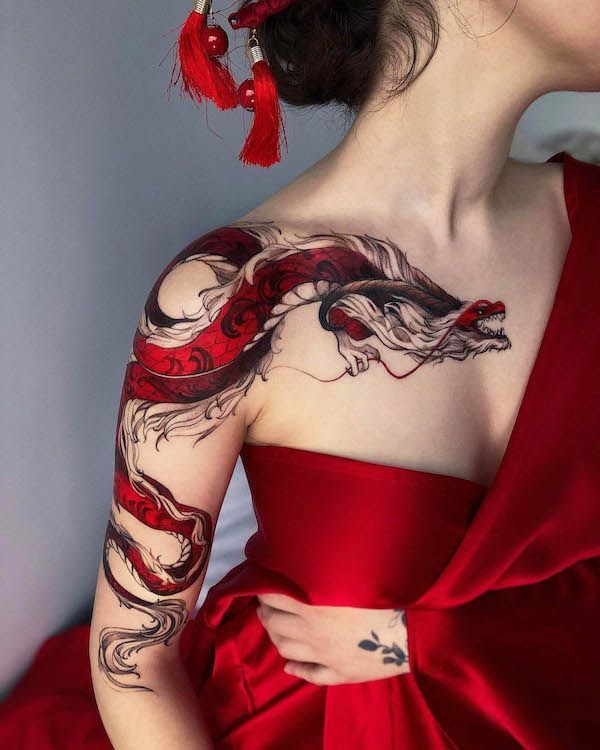
In an Australian context, tattoo culture and body art describe both the artwork itself and the communities, studios, and norms around it. It includes traditional tattooing, fine line, realism, ornamental work, and other forms of body decoration.

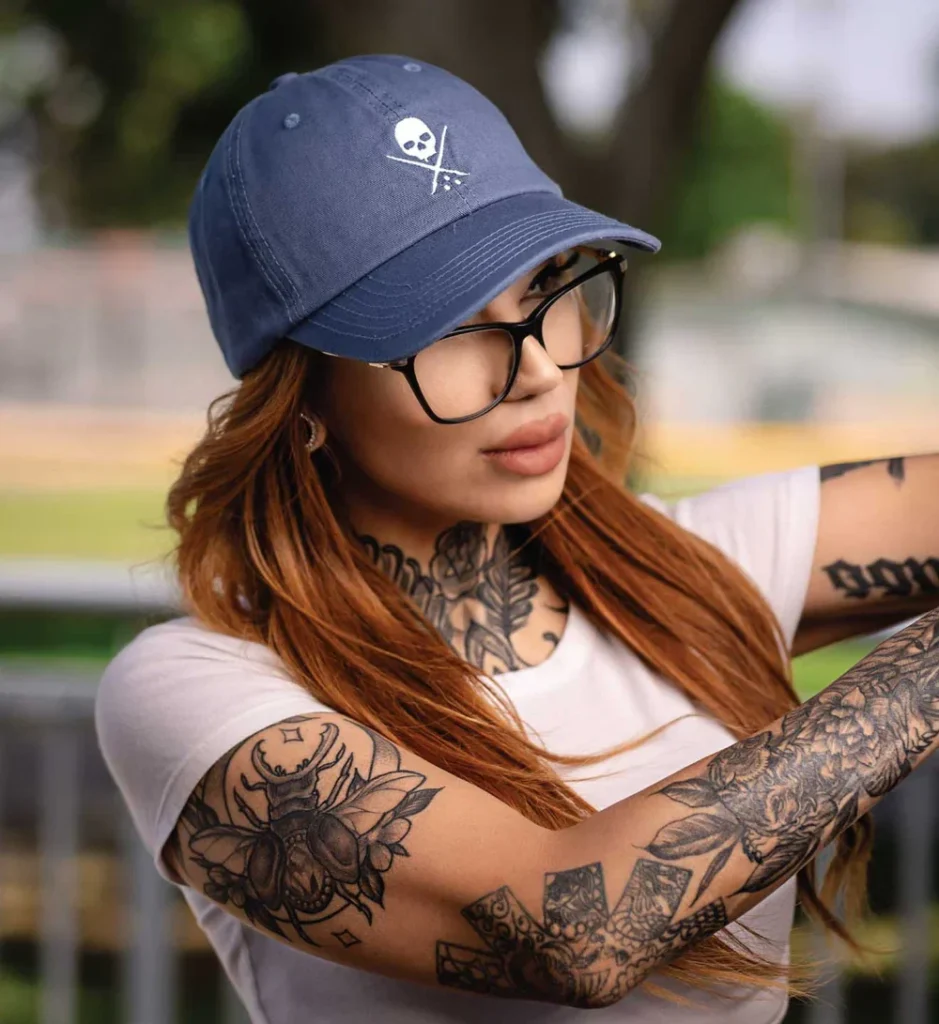
Style-wise, it functions like a permanent accessory. It can anchor an outfit, soften a sharp look, or add edge to minimal basics, especially in cities like Sydney, Melbourne, Brisbane, Perth, and Adelaide where aesthetics shift by neighbourhood and scene. Similar to promotional lapel pins and pin badges, well-designed accessories can communicate personality, interests, or brand identity while adding a distinctive touch to everyday style.

Why are more fashion-focused people paying attention to tattoo culture and body art now?

Many style enthusiasts are turning to tattoo culture and body art because they offer a consistent personal signature. Unlike seasonal pieces, they do not rotate out of the wardrobe, so they reward long-term thinking about colour, placement, and balance.

Social media has also improved visual literacy. People spot healed work, sleeve flow, and cohesive themes more easily now, which raises expectations and encourages more deliberate choices.

Are Tattoo Culture and Body Art Worth Looking Into? A Note on Promotional Lapel Pins and Pin Badges

How can tattoo culture and body art shape someone’s personal brand without saying a word?

Tattoo culture and body art can communicate taste and intent before anyone speaks. A restrained micro tattoo reads differently from a bold neo-traditional chest piece, even if both are well done.

In workplaces where personal style is allowed, it can also operate like a quiet portfolio. It signals commitment, patience, and a willingness to be seen, which matters in creative fields across Australia like design, hospitality, music, fitness, and barbering.

What should readers know about craftsmanship, not just aesthetics?

Good tattoo culture and body art is built on fundamentals: clean linework, smooth shading, solid saturation, smart placement, and a design that suits natural skin movement. A strong concept cannot replace skilled execution, which is why reviewing a tattoo design quality checklist can help clients understand the key elements that contribute to a successful piece.

They should also consider longevity. Australian sun exposure is intense, so bold designs, thoughtful contrast, and proper aftercare often age better than ultra-light work that relies on very soft pigment.

How do culture and etiquette matter when choosing designs?

Tattoo culture and body art includes traditions that deserve respect, not just imitation. Some motifs carry cultural or community meaning, and copying them without understanding can land poorly, especially in a diverse Australian environment.

A safer approach is collaboration. They can ask an artist to create a design that captures the same feeling, references, or symbolism without lifting specific sacred or culturally bound elements.

What role do aftercare and skin health play in long-term style?

Aftercare is not a footnote in tattoo culture and body art. It determines how the tattoo heals, how crisp it looks in photos, and how well it ages over the years.

In Australia, heat, sweat, beach days, and outdoor work can complicate healing. They should plan timing around events, swimming, and heavy sun exposure, and follow studio instructions closely rather than relying on generic online tips.

Where do promotional lapel pins and pin badges fit into the same self-expression conversation?

Promotional lapel pins and pin badges fit because they are wearable signals, similar to tattoos but designed to be removable. They allow someone to express an identity, support a cause, or add personality to an outfit without making a permanent commitment. Exploring custom wearable branding ideas can help individuals and organisations find creative ways to communicate messages through accessories.

For fashion-minded readers, pins also solve a styling problem. They can bring colour and narrative to plain jackets, tote bags, denim vests, work lanyards, and caps, which is useful in Australian street style where basics are common.

Can pin badges complement tattoo culture and body art in a cohesive look?

Yes, pin badges can complement tattoo culture and body art by echoing themes already present on skin. A pin can mirror a sleeve motif, match a colour story, or highlight a favourite symbol when tattoos are covered for work.

They can also bridge aesthetics across settings. A subtle enamel pin on a blazer can nod to the same personality that a forearm tattoo expresses on weekends.

What makes promotional lapel pins useful for artists, studios, and events in Australia?

For Australian tattoo artists and studios, promotional lapel pins are practical merchandise. They are affordable, easy to ship, and simple for clients to wear, which turns supporters into walking visibility.

They also work well for events like flash days, studio anniversaries, guest spots, conventions, and charity fundraisers. A pin can become a memento that carries the story of the day without needing wall space or a frame.

How should someone choose between a tattoo and a pin badge for self-expression?

If they want permanence and are ready to invest time, money, and aftercare, tattoo culture and body art may suit them best. A tattoo is commitment, and it rewards slow decisions.

If they want flexibility, pin badges are the low-risk option. They can change the message weekly, match different outfits, and avoid the healing period entirely, which suits people still exploring their aesthetic.

What practical checklist helps readers explore tattoo culture and body art responsibly?

They can start with three questions: does the design fit their lifestyle, does the artist’s healed work match the goal, and can they protect it from sun during healing? Those answers prevent most regret.

They should also budget properly. Quality work in Australia costs more for a reason, and tattoo culture and body art is one area where bargain shopping often shows on skin later.

Are Tattoo Culture and Body Art Worth Looking Into? A Note on Promotional Lapel Pins and Pin Badges

How does just-hairstyles.com approach tattoo culture and body art differently from generic advice sites?

just-hairstyles.com treats tattoo culture and body art as a real craft with real-world constraints. The site is run by a small team of tattoo artists and body art enthusiasts who have spent years in and around the industry.

They focus on providing trustworthy and practical guidance for fashion and personal style enthusiasts. The goal is to create clear expectations, offer care-focused advice, and respect the culture behind body art while avoiding unnecessary content that only aims to attract clicks. Choosing meaningful promotional products for creative communities can also reflect the same focus on quality, identity, and thoughtful design.

What is the simplest way to start exploring without overcommitting?

They can begin by collecting references and identifying themes they actually live with, not just what looks good on a feed. Then they can test the vibe through styling choices like pin badges, patches, jewellery, or temporary art.

When they are ready, they can book a consultation and discuss placement, scale, and ageing. Done thoughtfully, tattoo culture and body art becomes a lasting part of someone’s style story, not a rushed decision.

Top 5 Tattoo Culture and Body Art Considerations, One of Them Being PVC USB

Top 5 Tattoo Culture and Body Art Considerations, One of Them Being PVC USB

For fashion and personal style enthusiasts, the best results come from understanding the cultural context, the studio standards, and the long-term care. These five considerations are practical, artist-informed, and designed for anyone who wants to engage with tattoo culture and body art responsibly.

What does the tattoo idea communicate, and is it culturally respectful?

Tattoo culture and body art often carry meaning that goes beyond aesthetics, so the first question is what the design communicates and who it belongs to. If a motif is linked to a specific culture, community, or sacred practice, they should research its origins and ask whether it is appropriate to wear.

In Australia, that includes being careful with Aboriginal and Torres Strait Islander symbols and stories. The safest move is to choose original work or collaborate with an artist from the culture when cultural elements are central. Similar attention to authenticity and design ownership is also important when creating branded products such as a pvc usb, where custom artwork should be used respectfully and represent the intended message clearly.

How do they choose an artist and studio that match their style and values?

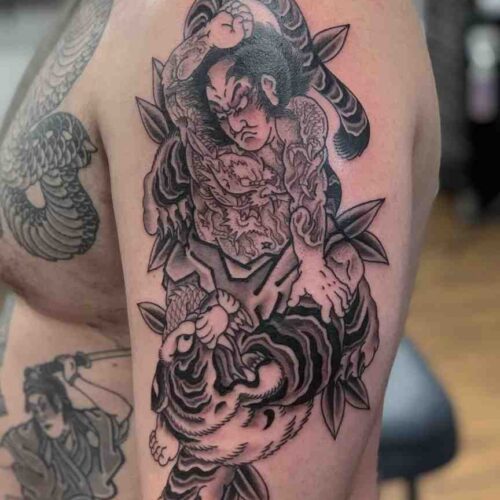
The quickest way to enjoy tattoo culture and body art is to pick an artist whose healed work matches the look they want. They should review portfolios for consistency, healed photos, and evidence the artist can execute the exact style, whether that is fine line, realism, Japanese-inspired, or bold traditional.

In Australia, reputable studios clearly explain sterilisation, use single-use needles, and follow strict hygiene processes. They should feel comfortable asking questions, getting a clear quote, and walking away if the consultation feels rushed or dismissive.

What should they know about placement, ageing, and lifestyle in Australia?

Tattoo culture and body art is a long-term commitment, and placement affects how a tattoo moves, fades, and looks with different clothing styles. High-friction areas like hands, feet, and inner thighs may experience faster wear, while areas with more stable skin can help preserve finer details. Following tattoo aftercare tips for long lasting results can also support better healing and help maintain the artwork over time.

The Australian sun is a major factor. If they spend lots of time outdoors, they should plan for sun protection from day one, because UV can quickly dull blacks and shift colours. Their job, sport, and footwear choices should also guide placement so healing is not constantly disrupted.

Top 5 Tattoo Culture and Body Art Considerations, One of Them Being PVC USB

How do they plan for healing, aftercare, and ongoing maintenance?

Tattoo culture and body art looks best when aftercare is treated as part of the artwork, not an optional extra. They should follow the artist’s instructions precisely, keep the tattoo clean, avoid soaking, and reduce friction until the skin fully settles.

Long-term, maintenance matters. Daily moisturising, sunscreen, and occasional touch-ups are normal, especially for fine line and lighter pigments. In Australian climates, hydration and consistent SPF use are often the difference between a tattoo that stays crisp and one that looks tired within a few summers.

Why should they consider a PVC USB for tattoo references and aftercare records?

Tattoo culture and body art decisions are easier when they keep references and care notes organised, and a PVC USB is a surprisingly practical tool for that. They can store inspiration images, stencil mock-ups, placement photos, consent forms, allergy notes, and aftercare instructions in one durable item that can live in a bag or studio kit.

PVC USB options are also popular for brand presentation. Australian artists and small studios sometimes use custom branded USB solutions to share digital aftercare guides, booking details, and portfolio lookbooks, creating a more personal experience than a standard online link. For clients, this approach can help keep their tattoo journey organised and documented from the initial consultation through to healed results.

Top 5 Tattoo Culture and Body Art Considerations, One of Them Being PVC USB

How can they support the community side of tattoo culture and body art?

Tattoo culture and body art continue to grow when people view them as a meaningful craft and a connected community rather than a passing trend. Supporting local Australian artists can be as simple as crediting the creator when sharing work online, asking permission before posting fresh tattoos, and respecting studio policies around deposits, cancellations, and rescheduling. Ways to support independent artists and creative communities can help people contribute positively while valuing the skill and effort behind each design.

They should also understand that good work costs what it costs. Paying fairly supports better equipment, safer hygiene standards, and artists who have time to design original pieces. Over time, that strengthens tattoo culture and body art for everyone who loves creative self-expression.

What is the simplest checklist they can follow before booking?

Tattoo culture and body art is easiest when they make a few clear decisions upfront. They should confirm the meaning, choose an artist with strong healed work, and plan placement around lifestyle and sun exposure.

A simple checklist helps: finalise references, book a consultation, ask about aftercare, plan clothing for healing, and store everything in one place such as a PVC USB. Done this way, tattoo culture and body art becomes a confident style choice backed by respect, preparation, and real-world care.

Do Fashion and Personal-Style Enthusiasts Need Tattoo Artist Australia? Here's How to Tell

Do Fashion and Personal-Style Enthusiasts Need Tattoo Artist Australia? Here’s How to Tell

This guide is written for readers who care about aesthetics, longevity, and craftsmanship, with an Australian lens and practical steps drawn from real industry experience.

What does “needing a tattoo artist” actually mean for style-led people?

It means they need a professional who can translate a visual concept into skin-safe, wearable art that ages well. When a tattoo is treated like style, the choice of Tattoo Artist Australia matters because the artist becomes part designer, part technician, and part long-term planner.

Style-led tattoos succeed when the design fits the body, the person’s wardrobe, and the way the piece will settle over time.

Are tattoos really part of personal style in Australia, or just a trend?

They are a stable part of personal style across Australia, not a passing wave. Many people build “signature” tattoos the same way they build a signature silhouette, jewellery stack, or hair colour, and that pushes them towards finding the best tattoo artist australia professionals who understand consistency, creativity, and long-term design quality.

Trends still exist, but style enthusiasts usually want cohesion, not novelty for its own sake.

When does a fashion concept become “tattoo-ready”?

A concept becomes tattoo-ready when it has a clear subject, a defined placement, and a plan for scale and line weight. That is when a Tattoo Artist Australia can advise on what will read clearly from a normal viewing distance.

If the concept only exists as a Pinterest folder, it is usually not ready yet. It needs editing into one strong direction.

Do Fashion and Personal-Style Enthusiasts Need Tattoo Artist Australia? Here's How to Tell

Do they need a specialist for fine line, micro realism, or ornamental work?

Yes, if the desired outcome depends on precision, subtle shading, or symmetry. A specialist Tattoo Artist Australia is more likely to deliver clean healed results in fine line, realistic portraiture, or ornamental patterning, where small errors become obvious over time.

This matters for people who treat their tattoo like a high-end detail, not a casual add-on.

How can they tell if their design idea will age well?

A tattoo ages well when its structure is bold enough to stay readable as skin changes. A capable Tattoo Artist Australia will explain how lines can spread slightly, how tiny gaps can close, and why contrast matters.

If the design relies on hair-thin lines, tiny text, or ultra-light shading, they may need to scale it up or simplify it to protect the look long-term.

Is placement a styling decision as much as an anatomy decision?

Yes, placement is both styling and anatomy, and it should be treated like fit. A Tattoo Artist Australia professional will consider movement, muscle shape, and how the tattoo sits when the person is standing, walking, or lifting an arm. Understanding tattoo placement considerations can help clients choose a location that complements their body while supporting the long-term appearance of the design.

Style enthusiasts should also consider how placement interacts with sleeve lengths, necklines, swimwear, and workwear. The “best” spot is often the one that supports their everyday styling.

Should they choose an artist based on Instagram, or healed work?

Healed work should carry more weight than fresh photos. A professional Tattoo Artist Australia will often show healed examples, or they will be comfortable discussing healing expectations and touch-up policies.

Fresh tattoos can look perfect under studio lighting. Healed tattoos reveal line control, packing, and whether the design still reads after the skin settles.

What questions should they ask in an Australian tattoo consultation?

Clients should ask questions that protect both the aesthetic and the final outcome. A strong Tattoo Artist Australia consultation usually welcomes clarity, discusses expectations openly, and avoids rushing important decisions. Taking time when choosing the right tattoo artist helps ensure the design process feels comfortable and the finished piece matches the client’s vision.

Key questions include:

  • What size and placement will keep it readable in five to ten years?
  • Will the artist modify the reference to suit the body?
  • What is the expected number of sessions and total cost?
  • What aftercare do they recommend for the local climate and lifestyle?
  • Are touch-ups included, and under what conditions?

Do they need custom design, or is flash enough for style purposes?

Custom is best when they want a piece that matches their personal brand, wardrobe, or long-term theme. Flash can be perfect when they want something immediate, graphic, and artist-led, especially if the Tattoo Artist Australia creating it has a recognisable style.

The test is simple: if they would be disappointed seeing the same tattoo on someone else, they likely want custom work.

How does budget affect the final look in Australia?

Budget affects size, detail, time, and sometimes the artist’s willingness to take on the project. Working with a reputable Tattoo Artist Australia often costs more because it includes proper setup, safer practices, quality inks, and the time needed to do it right.

If the budget is tight, scaling down expectations is smarter than forcing a complex design into a cheap, rushed session.

What role do skin tone, undertone, and sun exposure play in Australia?

They play a major role in colour choices and contrast. A thoughtful Tattoo Artist Australia will explain how different pigments heal on different skin tones, and why sun protection is crucial in Australia’s harsh UV.

For style enthusiasts, this is also about keeping the tattoo looking like a deliberate design choice rather than something that fades into the skin.

Are there signs they should wait before booking an artist?

Yes, and waiting can be a style-forward decision. If they are still changing the concept weekly, unsure about placement, or reacting to a micro-trend, they may benefit from pausing before approaching Tattoo Artist Australia options.

Other reasons to wait include upcoming intense sun exposure, major skin irritation, or lifestyle changes that will affect aftercare.

Do Fashion and Personal-Style Enthusiasts Need Tattoo Artist Australia? Here's How to Tell

How can they match tattoo style to their fashion identity?

They should treat the tattoo like a permanent extension of their aesthetic. A Tattoo Artist Australia can help translate fashion references into tattoo language, but the wearer should bring a clear sense of identity.

A few reliable pairings:

  • Minimal wardrobe, strong basics: bold micro motifs, clean linework, negative space.
  • Maximalist styling: layered patchwork, ornamental framing, high contrast.
  • Streetwear-led: graphic blackwork, illustrative pieces, punchy placement.
  • Classic tailoring: refined fine line, restrained shading, considered symmetry.

What should they expect from aftercare if they care about long-term style?

They should expect aftercare to be non-negotiable, because healed quality is the real “final look”. A good Tattoo Artist Australia will provide a clear routine and set expectations about peeling, itch, and timeframes.

For style enthusiasts, planning what to wear before and after a tattoo session is just as important as choosing the design. Loose, breathable clothing and minimising friction can help protect the tattoo while it heals, particularly on the ribs, thighs, and under bra lines. What to wear for a tattoo appointment and during healing can help reduce irritation and support a smoother recovery.

So, do fashion and personal-style enthusiasts need Tattoo Artist Australia?

Yes, if they want a tattoo that reads like intentional style rather than impulse. They need Tattoo Artist Australia expertise when the design is detailed, placement-sensitive, or meant to anchor their look for years.

If they are unsure, the best next step is a consultation with an artist whose healed work matches their taste, then refining the concept until it is truly tattoo-ready.

3 Questions to Ask Before Hiring for Tattoo Bondi Junction

3 Questions to Ask Before Hiring for Tattoo Bondi Junction

What do they specialise in, and can they prove it with healed work?

A good fit starts with style because artists do not all tattoo the same way. For tattoo Bondi Junction, they should be able to show a consistent portfolio in the exact look the client wants, plus clear photos of healed results.

Fresh tattoos can hide weak linework or patchy packing. Healed shots show whether blacks stay solid, fine lines hold, and colour remains even. They should also be able to explain why their approach suits that style, not just show a highlight reel.

Ask to see examples similar in size and placement to the planned design. A micro tattoo on the inner wrist, a bold traditional piece on the upper arm, and a detailed realism portrait on a calf each demand different technical strengths. For tattoo Bondi Junction, the best artists will be honest about what they do best and what they would rather refer out.

It also helps to check whether their designs look original. Reputable studios will avoid copying other artists’ work line for line, and they will talk about how they adapt references into a custom piece. That matters in a fashion and personal style context, where the tattoo is part of a wider look, not a generic trend.

How do they handle safety, hygiene, and NSW compliance in the studio?

Safety should be obvious before the needle ever comes out. In tattoo Bondi Junction, the studio should look and feel like a clinical workspace, with clean surfaces, organised stations, and clear separation between sterile and non-sterile areas.

They should use single-use needles and disposable items where appropriate, open sterile packs in front of the client, and change gloves whenever they touch anything outside the workstation. If they are casual about barrier protection, that is a deal-breaker.

Clients can also ask how they manage cross-contamination during set-up and pack-down. Do they wrap clip cords, spray bottles, and lamp handles? Do they use hospital-grade disinfectant on beds and benches between clients? For tattoo Bondi Junction, good studios expect these questions and answer them calmly.

NSW rules and local health expectations matter too. They should be able to explain their cleaning routine, waste disposal, and aftercare guidance in plain language. If the studio feels defensive, dismissive, or vague, it is safer to keep looking.

This question is not about being difficult. It is about making sure the client can enjoy tattoo Bondi Junction with confidence that the studio takes skin, blood safety, and long-term healing seriously.

3 Questions to Ask Before Hiring for Tattoo Bondi Junction

What will it cost in total, and what is included in the booking?

Pricing confusion is one of the most common causes of disappointment. When choosing tattoo Bondi Junction services, clients should understand the full cost structure upfront, including the deposit, minimum charge, hourly rates if relevant, and what happens if the session takes longer than expected. Reviewing a tattoo pricing guide for first timers can help people prepare a realistic budget before booking their appointment.

They should also explain what the client is paying for. That includes consultation time, custom drawing, stencil preparation, set-up, and quality materials. A cheaper quote can sometimes mean rushed design work, limited revision time, or shortcuts in session planning.

Clients should ask about revisions before the appointment. How many design tweaks are included? When is the final artwork shown? Some studios share a draft ahead of time, while others present it on the day. Either can work, but it must match the client’s comfort level, especially for first-timers booking tattoo Bondi Junction.

Touch-ups should be clarified too. Do they offer a free touch-up window, and what conditions apply? For example, fine-line and light grey work can need a small refinement, while certain placements like fingers and ribs are more prone to wear. A clear policy helps the client budget and plan.

Finally, they should discuss timeframes honestly. If the artist is booked out for months, that is not automatically a bad sign, but the client should still know when the consult happens, when the design is started, and how long the session may take. For tattoo Bondi Junction, transparency is part of professionalism.

How can they tell if the artist understands their personal style, not just the reference image?

An artist can be technically strong yet still miss the wearer’s vibe. For tattoo Bondi Junction, the client should feel that the artist listens, asks smart questions, and translates personal style into visual choices.

A good consultation sounds like a conversation, not a sales pitch. They will ask about the client’s wardrobe and jewellery preferences, whether they like bold or subtle statements, and how visible the tattoo needs to be day to day. They may also discuss whether the tattoo should be timeless or intentionally trend-led.

They should guide choices around line weight, contrast, and placement so the tattoo suits the body’s movement and the client’s lifestyle. For instance, a minimalist design can look elegant, but it must still be built to last on real skin. For tattoo Bondi Junction, an artist who balances aesthetics with longevity is usually the one worth booking.

This matters for fashion-focused readers because tattoos interact with outfits, seasonal styling, and even workplace presentation. The right artist will help clients think through those practical considerations while offering guidance that suits their lifestyle and preferences. Exploring personal style and tattoo placement ideas can also help people choose designs that feel natural and complementary to their everyday look.

What aftercare and long-term maintenance advice do they provide for Sydney conditions?

Healing is part of the service, not an afterthought. For tattoo Bondi Junction, they should give clear aftercare instructions that fit Sydney life, including sun exposure, sweating, swimming, and commutes.

They should explain the first few days in detail. How long the bandage stays on, how to wash, what moisturiser to use, and what “normal” healing looks like compared to signs of trouble. If they offer a second-skin product, they should also explain who should avoid it, and what to do if irritation appears.

Sydney’s beach culture makes sun protection non-negotiable. They should remind clients that fresh tattoos should not be exposed to direct sun and should not be submerged in pools or the ocean while healing. For tattoo Bondi Junction, this is especially relevant because many clients live close to coastal areas and spend time outdoors.

Long-term care matters too. They should mention moisturising, using SPF once healed, and how different inks and styles age. Fine lines can soften, dotwork can blur if packed too tightly, and heavy blackwork may need careful placement to avoid patchy wear. A studio that explains ageing is usually thinking beyond the first Instagram photo.

3 Questions to Ask Before Hiring for Tattoo Bondi Junction

How should they use these questions to shortlist a studio quickly?

These questions work best as a fast screening tool, not a drawn-out interrogation. For tattoo Bondi Junction, they can shortlist by checking three things in order: style match, safety signals, and pricing clarity.

First, they should confirm specialisation and healed results. Second, they should assess hygiene and the studio’s willingness to explain processes. Third, they should confirm the total cost and what is included, so there are no surprises.

Communication quality is another important factor when choosing a tattoo professional. Clients should consider whether replies are timely and respectful, and whether the artist provides helpful guidance without applying unnecessary pressure. For those looking at Tattoo Bondi Junction, a calm and professional approach often indicates that the studio has reliable systems and values the overall client experience. How to choose a professional tattoo artist in Australia can help clients understand what qualities to look for before booking a session.

If anything feels off, it is fine to walk away. The best decision is the one that protects both the wearer’s skin and their sense of self-expression.

What is the simplest next step if they are ready to book?

The next step is to book a consult with one or two artists who pass all three questions. For tattoo Bondi Junction, they should bring reference images, placement ideas, and a clear description of what the tattoo needs to communicate about their style.

They should also arrive ready to discuss budget and timing. A good studio will suggest options that suit the brief, whether that means adjusting size, simplifying detail, or splitting work into multiple sessions.

Most importantly, they should choose the artist whose work they would still love when it is fully healed. For tattoo Bondi Junction, that is the standard that matters, because the tattoo is not just a look for today; it is a piece of personal style that stays in the wardrobe forever.

Artificial Jewelery

Artificial Jewellery – Frequently Asked Questions (FAQs)

1) What is artificial jewellery?

Artificial jewellery (also called fashion or imitation jewellery) is jewellery made from non-precious metals and stones instead of gold, silver, or diamonds. It is designed to look stylish and trendy at an affordable price.


2) Is artificial jewellery the same as fashion jewellery?

Yes. Artificial jewellery is commonly known as fashion jewellery because it follows current fashion trends and is worn to complement outfits.

Artificial Jewelery

3) What materials are used in artificial jewellery?

Common materials include:

  • Brass
  • Copper
  • Alloy metals
  • Stainless steel
  • Beads
  • Cubic zirconia
  • Artificial pearls
  • Resin
  • Acrylic

4) Does artificial jewellery turn black?

It can tarnish over time due to:

  • Sweat
  • Water exposure
  • Perfumes
  • Chemicals

Proper care can significantly increase its lifespan


5) How can I prevent artificial jewellery from tarnishing?

To maintain shine:

  • Keep it dry
  • Store in airtight boxes
  • Avoid perfume contact
  • Wipe with a soft cloth after use
  • Store separately to avoid scratches

6) Is artificial jewellery safe for sensitive skin?

It depends on the material. Nickel-free and stainless steel artificial jewellery are generally safer for sensitive skin. Always check product descriptions.


7) How long does artificial jewellery last?

With proper care, artificial jewellery can last from several months to a few years, depending on quality and usage.


8) Can artificial jewellery be worn daily?

Yes, but daily wear may reduce its shine faster. High-quality stainless steel or gold-plated pieces are better for daily use.


9) What is gold-plated artificial jewellery?

Gold-plated jewellery has a thin layer of real gold coated over a base metal. It looks like real gold but is much more affordable.


10) Is artificial jewellery waterproof?

Most artificial jewellery is not fully waterproof. Avoid showering, swimming, or washing hands frequently while wearing it.


11) Why is artificial jewellery so affordable?

Because it does not use precious metals or gemstones, manufacturing costs are lower, making it budget-friendly.


12) How do I clean artificial jewellery?

Use:

  • A soft dry cloth
  • Mild soap (occasionally)
  • Avoid harsh chemicals

Let it dry completely before storing.


13) Can artificial jewellery look like real gold?

Yes. High-quality gold-plated or premium imitation jewellery can closely resemble real gold and diamonds.


14) Is artificial jewellery good for weddings?

Yes. Many brides wear artificial jewellery sets that look luxurious but cost much less than real gold.


15) What are the advantages of artificial jewellery?

  • Affordable
  • Trendy
  • Lightweight
  • Wide variety
  • Low financial risk
  • Perfect for occasional wear