
For the team behind just-hairstyles.com, tattoo culture and body art sit at the centre of creative self-expression. Their aim is simple: explain the culture, craftsmanship, and care in plain language, based on real industry experience.
What do tattoo culture and body art mean in an Australian style context?
In an Australian context, tattoo culture and body art describe both the artwork itself and the communities, studios, and norms around it. It includes traditional tattooing, fine line, realism, ornamental work, and other forms of body decoration.
Style-wise, it functions like a permanent accessory. It can anchor an outfit, soften a sharp look, or add edge to minimal basics, especially in cities like Sydney, Melbourne, Brisbane, Perth, and Adelaide where aesthetics shift by neighbourhood and scene. Similar to promotional lapel pins and pin badges, well-designed accessories can communicate personality, interests, or brand identity while adding a distinctive touch to everyday style.
Why are more fashion-focused people paying attention to tattoo culture and body art now?
Many style enthusiasts are turning to tattoo culture and body art because they offer a consistent personal signature. Unlike seasonal pieces, they do not rotate out of the wardrobe, so they reward long-term thinking about colour, placement, and balance.
Social media has also improved visual literacy. People spot healed work, sleeve flow, and cohesive themes more easily now, which raises expectations and encourages more deliberate choices.
How can tattoo culture and body art shape someone’s personal brand without saying a word?
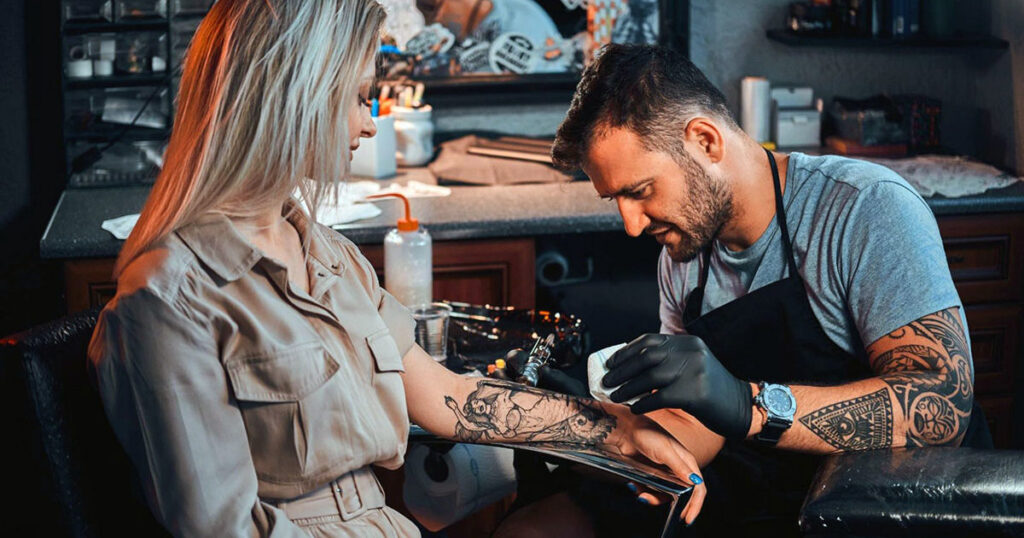
Tattoo culture and body art can communicate taste and intent before anyone speaks. A restrained micro tattoo reads differently from a bold neo-traditional chest piece, even if both are well done.
In workplaces where personal style is allowed, it can also operate like a quiet portfolio. It signals commitment, patience, and a willingness to be seen, which matters in creative fields across Australia like design, hospitality, music, fitness, and barbering.
What should readers know about craftsmanship, not just aesthetics?
Good tattoo culture and body art is built on fundamentals: clean linework, smooth shading, solid saturation, smart placement, and a design that suits natural skin movement. A strong concept cannot replace skilled execution, which is why reviewing a tattoo design quality checklist can help clients understand the key elements that contribute to a successful piece.
They should also consider longevity. Australian sun exposure is intense, so bold designs, thoughtful contrast, and proper aftercare often age better than ultra-light work that relies on very soft pigment.
How do culture and etiquette matter when choosing designs?
Tattoo culture and body art includes traditions that deserve respect, not just imitation. Some motifs carry cultural or community meaning, and copying them without understanding can land poorly, especially in a diverse Australian environment.
A safer approach is collaboration. They can ask an artist to create a design that captures the same feeling, references, or symbolism without lifting specific sacred or culturally bound elements.
What role do aftercare and skin health play in long-term style?
Aftercare is not a footnote in tattoo culture and body art. It determines how the tattoo heals, how crisp it looks in photos, and how well it ages over the years.
In Australia, heat, sweat, beach days, and outdoor work can complicate healing. They should plan timing around events, swimming, and heavy sun exposure, and follow studio instructions closely rather than relying on generic online tips.
Where do promotional lapel pins and pin badges fit into the same self-expression conversation?
Promotional lapel pins and pin badges fit because they are wearable signals, similar to tattoos but designed to be removable. They allow someone to express an identity, support a cause, or add personality to an outfit without making a permanent commitment. Exploring custom wearable branding ideas can help individuals and organisations find creative ways to communicate messages through accessories.
For fashion-minded readers, pins also solve a styling problem. They can bring colour and narrative to plain jackets, tote bags, denim vests, work lanyards, and caps, which is useful in Australian street style where basics are common.
Can pin badges complement tattoo culture and body art in a cohesive look?
Yes, pin badges can complement tattoo culture and body art by echoing themes already present on skin. A pin can mirror a sleeve motif, match a colour story, or highlight a favourite symbol when tattoos are covered for work.
They can also bridge aesthetics across settings. A subtle enamel pin on a blazer can nod to the same personality that a forearm tattoo expresses on weekends.
What makes promotional lapel pins useful for artists, studios, and events in Australia?
For Australian tattoo artists and studios, promotional lapel pins are practical merchandise. They are affordable, easy to ship, and simple for clients to wear, which turns supporters into walking visibility.
They also work well for events like flash days, studio anniversaries, guest spots, conventions, and charity fundraisers. A pin can become a memento that carries the story of the day without needing wall space or a frame.
How should someone choose between a tattoo and a pin badge for self-expression?
If they want permanence and are ready to invest time, money, and aftercare, tattoo culture and body art may suit them best. A tattoo is commitment, and it rewards slow decisions.
If they want flexibility, pin badges are the low-risk option. They can change the message weekly, match different outfits, and avoid the healing period entirely, which suits people still exploring their aesthetic.
What practical checklist helps readers explore tattoo culture and body art responsibly?
They can start with three questions: does the design fit their lifestyle, does the artist’s healed work match the goal, and can they protect it from sun during healing? Those answers prevent most regret.
They should also budget properly. Quality work in Australia costs more for a reason, and tattoo culture and body art is one area where bargain shopping often shows on skin later.
How does just-hairstyles.com approach tattoo culture and body art differently from generic advice sites?
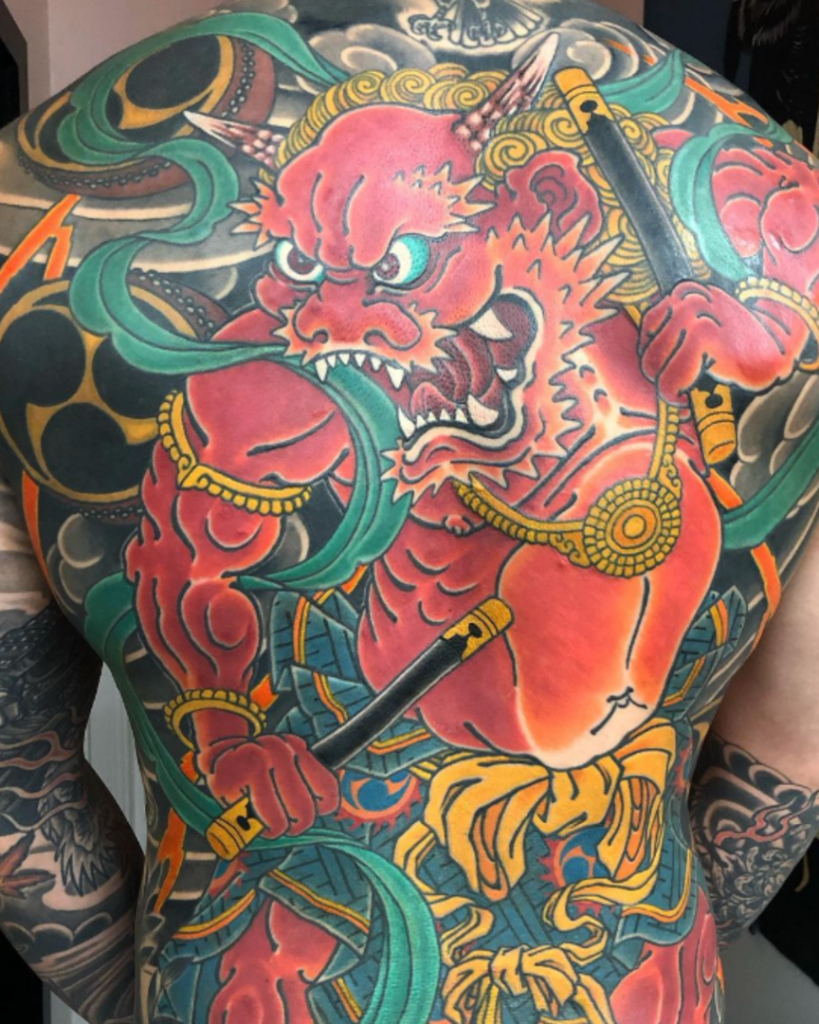
just-hairstyles.com treats tattoo culture and body art as a real craft with real-world constraints. The site is run by a small team of tattoo artists and body art enthusiasts who have spent years in and around the industry.
They focus on providing trustworthy and practical guidance for fashion and personal style enthusiasts. The goal is to create clear expectations, offer care-focused advice, and respect the culture behind body art while avoiding unnecessary content that only aims to attract clicks. Choosing meaningful promotional products for creative communities can also reflect the same focus on quality, identity, and thoughtful design.
What is the simplest way to start exploring without overcommitting?
They can begin by collecting references and identifying themes they actually live with, not just what looks good on a feed. Then they can test the vibe through styling choices like pin badges, patches, jewellery, or temporary art.
When they are ready, they can book a consultation and discuss placement, scale, and ageing. Done thoughtfully, tattoo culture and body art becomes a lasting part of someone’s style story, not a rushed decision.