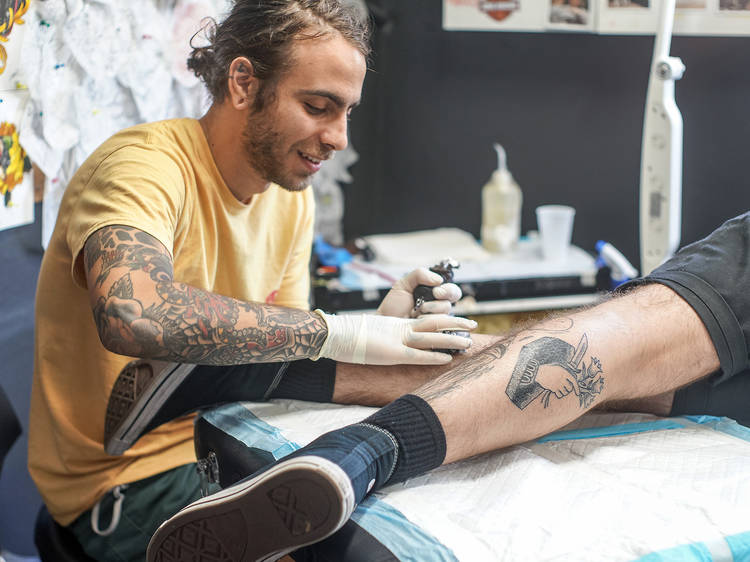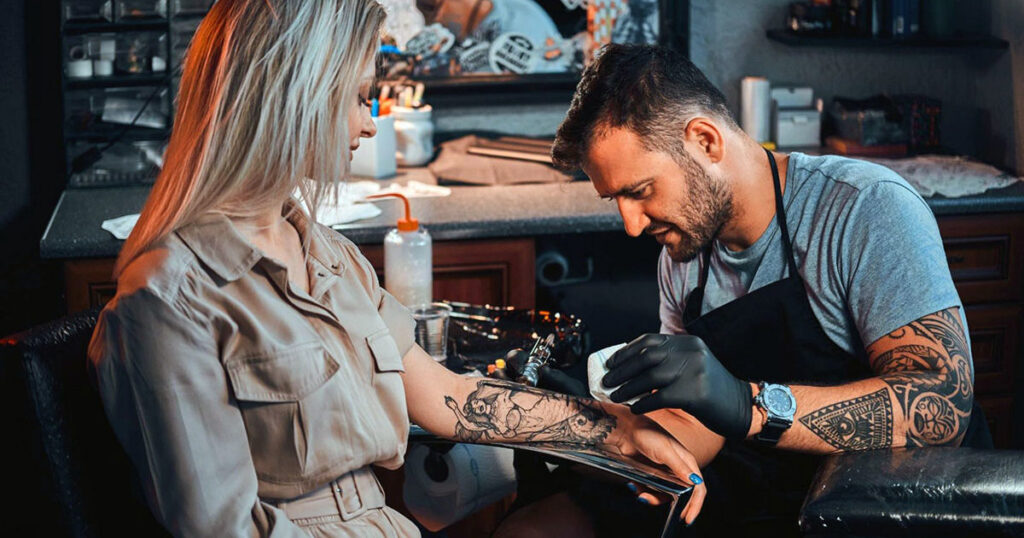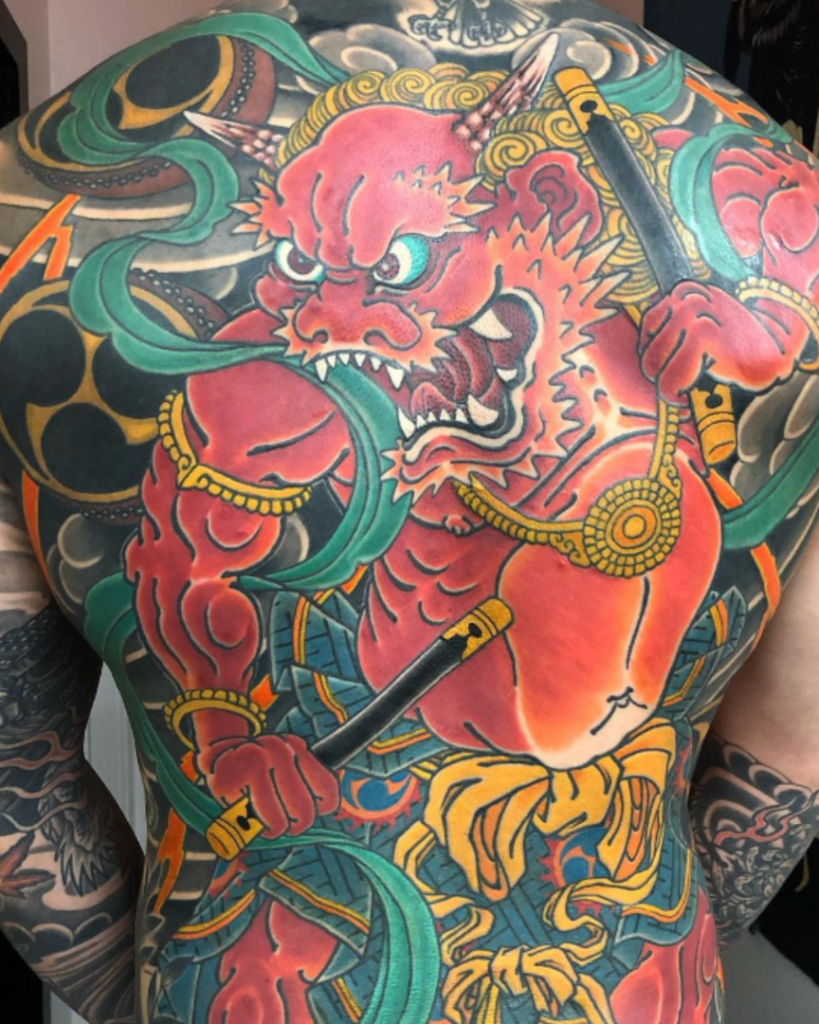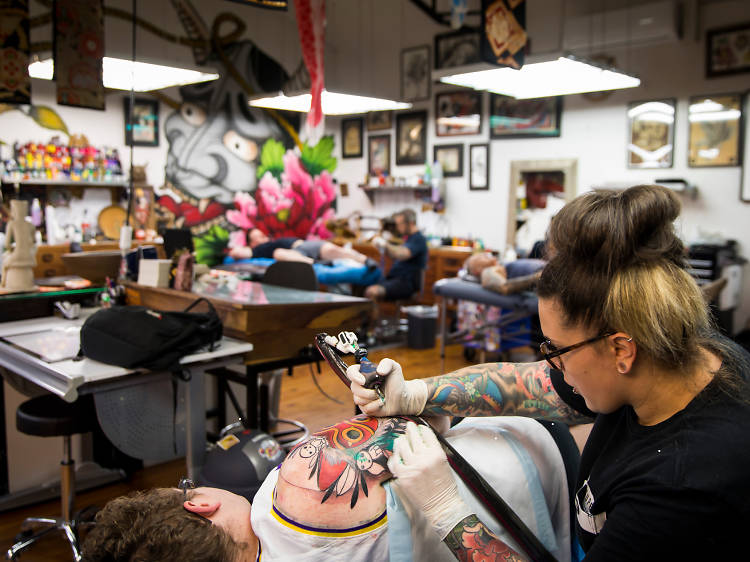
They walked out of the studio with fresh ink, a little buzzed, a little tender, probably already thinking about beach plans, gym sessions, and whether it is meant to look that shiny. A Bondi Tattoo is the fun part. Aftercare is the bit that decides how it heals, how it settles, and how good it looks a month from now.
This is what happens next, in plain terms. No drama. Just the real timeline and what to do, especially with Sydney sun, saltwater, and sweaty commutes in the mix.
What should they do in the first few hours after a Bondi Tattoo?
In the first 1 to 2 sentences, the answer is simple: keep it clean, keep the dressing on as advised, and do not touch it with unwashed hands. The first few hours set the tone for the whole heal.
Most artists in Sydney will cover the Bondi Tattoo with cling film or a medical-grade adhesive film. They should follow the studio’s instructions exactly, because different products have different wear times. If it is cling film, they usually remove it after a few hours, wash gently, and leave it to breathe.
They should avoid tight clothing rubbing the area. And yes, they should skip the celebratory beach dip. Not yet.
How do they wash a fresh Bondi Tattoo properly?
They should wash it gently with lukewarm water and a mild, fragrance-free cleanser, then pat it dry with a clean paper towel. That is it. No scrubbing, no loofah, no “just a quick exfoliate”.
For a Bondi Tattoo, hygiene matters because summer conditions can add extra bacteria and sweat. Hands first, always. Then a quick wash, rinse well, and let it air dry for a minute before moisturising. If they are unsure about a product, the safest bet is basic and boring.
Overwashing can irritate it, so 1 to 2 times a day is normally enough unless it gets dirty.
What ointment or moisturiser should they use, and how much?
They should use a thin layer of tattoo aftercare balm or a fragrance-free moisturiser, only enough to stop it feeling tight. If it looks glossy and wet for hours, that is usually too much.
With a Bondi Tattoo, less is genuinely more. Over-moisturising can clog the healing skin and cause breakouts or mushy scabbing. They should apply with clean hands, then leave it alone. Reapplying constantly is not care, it is interference.
If the artist has recommended a specific aftercare product, stick with that and do not mix a bunch of different creams.
What healing stages should they expect over the first two weeks?
They should expect redness and warmth early on, then peeling and itchiness, and finally a duller “settling” phase. It is normal for it to look worse before it looks better.
A typical Bondi Tattoo healing timeline often looks like this:
Days 1 to 3: tender, slightly swollen, shiny.
Days 4 to 7: flaking, peeling, itchy, sometimes a bit dry.
Days 8 to 14: calmer surface, patchy “milky” look as skin rebuilds.
Even if it looks healed on top, deeper layers are still repairing. That is why aftercare is not just a first-week thing.
Is peeling and flaking normal, or is something wrong?
Peeling and flaking are normal, and they should not pick at it. The skin sheds like a sunburn, except they do not want to help it along.
A Bondi Tattoo might peel more if they have been out in dry heat or air conditioning, or if the placement gets rubbed by clothes. Light moisturiser helps. Scratching does not.
If thick scabs form, that is usually a sign it dried out too much or got irritated. They should let scabs fall off naturally, even if it is tempting. Picking can pull ink out and leave patchy spots.
How do they handle itchiness without scratching?
They should tap the area lightly, moisturise sparingly, and distract themselves. Itch is a healing signal, not a problem to attack.
For a Bondi Tattoo, itchiness often peaks around day 5 to day 10. A cool, clean compress can help, but they should not soak it. Short showers, gentle washing, and breathable clothing make a difference too.
If itch comes with spreading redness, heat, and increasing pain, that is different. That needs a proper check, not just more cream.
When can they go swimming at Bondi Beach or in a pool?
They should avoid swimming until the tattoo is fully healed on the surface, usually around 2 to 4 weeks. Saltwater, chlorine, and sand are a rough combo for healing skin.
This matters a lot for a Bondi Tattoo, because people naturally want to jump straight back into the ocean. But an open or peeling tattoo is basically a wound. Ocean water in Sydney is not sterile, and pools can irritate and fade fresh ink fast.
If they absolutely must be near water, they should keep it covered with loose clothing and avoid direct sun. No “just a quick dip”. That is how problems start.

When can they exercise again without ruining the tattoo?
They can usually return to light exercise after 24 to 48 hours, but they should avoid heavy sweating, friction, and shared equipment contact for about a week. If it is on a high-movement area, they may need longer.
With a Bondi Tattoo, heat and sweat can sting and slow healing. Tight gym wear can rub, especially on thighs, ribs, and underarms. They should wipe equipment, wash the tattoo after training, and keep it dry and clean.
If a session makes it throb or swell, that is a sign to ease off.
What about sun exposure in Sydney, and when can they use sunscreen?
They should keep it out of direct sun completely during healing, and only use sunscreen once the skin is fully closed and no longer peeling. That is often at least 2 weeks, sometimes longer.
A Bondi Tattoo and UV exposure do not mix, especially in summer. Sun can fade pigment early and trigger irritation. During healing, physical cover is better than sunscreen. Think loose cotton, shade, timing walks outside, that sort of thing.
Once healed, a broad-spectrum SPF 50+ helps keep it crisp, especially for colour work.
How should they sleep with a new tattoo?
They should avoid sleeping on it, keep bedding clean, and expect a little leaking in the first night or two. If it sticks to sheets, they should not rip it off.
For a Bondi Tattoo, the first nights can be annoying. The tattoo may weep plasma and ink, which can glue it to fabric. If that happens, they should take the sheet into a lukewarm shower and gently loosen it with water.
Fresh, breathable sheets help. So does wearing loose sleepwear that will not rub or trap heat. Check out more about Toxic metals and carcinogens found in Australian tattoo inks.
What signs suggest infection or an allergic reaction?
They should seek medical advice if redness spreads, pain increases after day two, pus appears, or they get feverish. Normal healing improves slowly; it does not escalate sharply.
With a Bondi Tattoo, it is easy to confuse normal redness with a problem, but a few signs stand out:
Redness that expands and feels hot.
Yellow or green discharge; bad smell.
Severe swelling; increasing throbbing.
Raised rash or hives beyond the tattoo area.
If they suspect infection, they should not self-treat with random creams or leftover antibiotics. In Australia, a GP or urgent care visit is the smart move.
When will the Bondi Tattoo look “fully healed”, and what happens after that?
They can expect it to look mostly settled after 2 to 4 weeks, but full healing under the skin can take 6 to 8 weeks. The final look is clearer, smoother, and less shiny.
A Bondi Tattoo may go through a slightly dull phase, where it looks cloudy or faded. That is usually just new skin forming over the ink. Over time, it sharpens again.
After healing, the main job is maintenance. Moisturise occasionally, avoid excessive sun, and use SPF when outdoors. That is how they keep it looking like day one, without actually being day one.
Should they plan for a touch-up, and how do they know if they need one?
They should wait until it is fully healed, then check for patchiness, light spots, or missing lines. If anything looks uneven, a touch-up is common and often quick.
With a Bondi Tattoo, fading can happen if they picked at peeling skin, soaked it too early, or had lots of friction during healing. Some areas just heal lighter too, like fingers, elbows, and inner arms.
Most reputable studios in Sydney will explain their touch-up policy upfront. The key is timing. Touching up too early can cause more trauma and worse results.
What is the simplest aftercare routine they can actually stick to?
They should wash gently, moisturise lightly, keep it out of sun and water, and stop messing with it. Consistency beats overthinking.
A practical routine for a Bondi Tattoo looks like this:
Morning: wash, pat dry, thin moisturiser.
Daytime: keep clean, avoid rubbing, cover from sun.
Evening: wash, pat dry, thin moisturiser.
That is basically it. The tattoo does not need constant attention. It needs calm, clean healing, especially in an Australian coastal lifestyle where the default plan is sun, sweat, and water.
Related : What to Ask Before You Book with Sydney Tattoo Shops
FAQs (Frequently Asked Questions)
What should I do in the first few hours after getting a Bondi Tattoo?
Keep your tattoo clean, keep the dressing on as advised by your artist, and avoid touching it with unwashed hands. Follow your studio’s instructions carefully, especially regarding cling film or medical-grade adhesive films used to cover the tattoo. Avoid tight clothing rubbing the area and skip swimming or beach dips during this time.
How do I wash my fresh Bondi Tattoo properly?
Wash your tattoo gently with lukewarm water and a mild, fragrance-free cleanser once or twice a day. Always wash your hands first, rinse the area well, and pat dry with a clean paper towel. Avoid scrubbing, exfoliating, or using loofahs to prevent irritation.
What type of ointment or moisturiser should I use on my new Bondi Tattoo?
Apply a thin layer of tattoo aftercare balm or a fragrance-free moisturiser just enough to stop the skin from feeling tight. Avoid over-moisturising as it can clog healing skin and cause issues like breakouts or mushy scabbing. Use clean hands for application and stick to any specific products recommended by your tattoo artist.
What healing stages should I expect during the first two weeks after getting a Bondi Tattoo?
Expect redness and warmth in days 1 to 3 with tenderness and slight swelling. From days 4 to 7, peeling, flaking, itchiness, and dryness are normal. Between days 8 to 14, the tattoo surface will calm down but may look patchy or milky as deeper skin layers continue healing. Remember that healing continues beneath the surface beyond visible signs.
Is peeling and flaking normal for a fresh Bondi Tattoo?
Yes, peeling and flaking are normal parts of the healing process similar to sunburn skin shedding. Avoid picking at flakes or scabs as this can pull out ink and cause patchy spots. Keep the area lightly moisturised and protect it from friction or drying conditions like air conditioning.
When can I safely swim at Bondi Beach or in pools after getting a tattoo?
Avoid swimming until your tattoo is fully healed on the surface, typically between 2 to 4 weeks. Saltwater, chlorine, and sand can irritate open wounds and fade fresh ink quickly. If you must be near water earlier, keep your tattoo covered with loose clothing and avoid direct sun exposure to prevent complications.