This guide walks through what typically happens on the day with Sydney tattoo artists, from arrival to aftercare, in a way that feels grounded in real studios around Australia. Not every studio runs the exact same rhythm, but the beats are pretty consistent.
What should they do before they even leave home?
They should eat a proper meal and hydrate, even if nerves kill the appetite. Turning up faint or shaky makes everything harder, including sitting still.
They should shower, wear clean loose clothing, and avoid alcohol the night before and on the day. Most reputable Sydney tattoo artists will also suggest avoiding blood thinning meds unless a doctor has advised otherwise.
If the tattoo is on an area that needs easy access, they should dress for it. Simple. Boring. Effective.
What should they bring to the appointment?
They should bring photo ID (some studios ask), payment method, and headphones if they like to zone out. A charger is underrated.
They should also bring a small snack, especially for longer sittings. Think muesli bar, banana, sweets, anything that keeps blood sugar stable.
If they have reference images, they should have them saved offline too. Studios in Sydney can have patchy reception, even in busy areas. It happens.
What happens when they arrive at the studio?
They will usually check in at the front desk, confirm details, and complete a consent form. This is also when they’ll be asked about allergies, medications, and medical conditions.
Good Sydney tattoo artists keep this part calm and routine. Nobody is trying to interrogate them. It is basically the safety checklist.
They might wait a little, even with a booking. A previous session can run long, or the stencil needs tweaking. That’s normal.
Will the artist review the design again on the day?
Yes, and they should expect it. The artist will go over placement, size, and any last changes before anything permanent happens.
In most studios, this is where clients see the final design version, not weeks earlier. That’s not secrecy, it’s workflow. Artists often finalise details close to the session once placement is confirmed.
If something feels off, they should say it now. Sydney tattoo artists would rather adjust a design than fix regret.
How do stencil placement and positioning actually work?
They will see the stencil applied and then checked from multiple angles. The artist might ask them to stand, sit, twist slightly, even walk a step or two.
This is because bodies move. A forearm tattoo can look perfectly straight with the palm up, then crooked the second the arm relaxes.
Most Sydney tattoo artists will reapply the stencil if needed. Sometimes twice. Sometimes five times. It is part of getting it right.
What hygiene and safety steps should they expect to see?
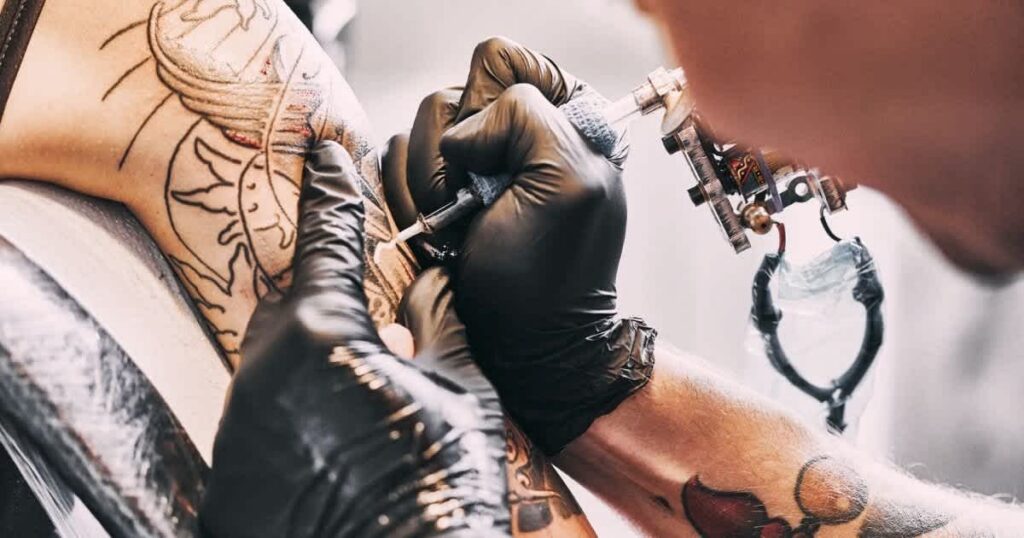
They should expect gloves, wrapped machines, single use needles, disinfected surfaces, and sealed ink caps. Everything should look intentionally clean, not just “tidy”.
They should see needles opened in front of them, or at least clearly prepared in a sterile way. If the studio is AHPRA aware and council compliant, they will take infection control seriously.
Any professional Sydney tattoo artists will be comfortable explaining what they’re doing if asked.
How painful will it be, realistically?
It will hurt, but not always how they expect. Some areas sting sharply, others feel like a hot scratch, others feel weirdly manageable for ages and then suddenly not.
Pain depends on placement, session length, sleep, stress, and even time of month for some clients. There’s no prize for pretending it doesn’t hurt.
Experienced Sydney tattoo artists will pace the session and check in. If a client needs a short reset, they can usually take one.
How long will the appointment take from start to finish?
It often takes longer than the “tattoo time” they imagined. There is setup, shaving if needed, skin prep, stencil, consultation, placement checks, and cleanup.
A small fine line piece might be an hour in the chair but two hours in the studio. Larger work can be half a day.
Most Sydney tattoo artists would rather move carefully than rush. Time is part of quality, even if it’s mildly annoying.
Can they take breaks, and how do breaks work?
Yes. They can ask for a break, especially for longer sessions. The artist may also suggest breaks at sensible points, like after linework.
They should keep breaks short where possible. Once skin is irritated, stopping too long can make restarting feel worse.
If they feel dizzy, nauseous, or sweaty, they should say so immediately. Sydney tattoo artists have seen it all, and they’d rather manage it early.
What should they do if they want changes mid session?
They should speak up as soon as they’re unsure. If it is a small tweak before shading, it may be easy. If it is a major redesign after lines are in, that’s different.
A good approach is simple language: “They’re worried it’s too dark” or “They think it needs a bit more space”. Clear, not apologetic.
Good Sydney tattoo artists want the client to leave happy, not quiet and disappointed.
What is the studio vibe usually like in Sydney?
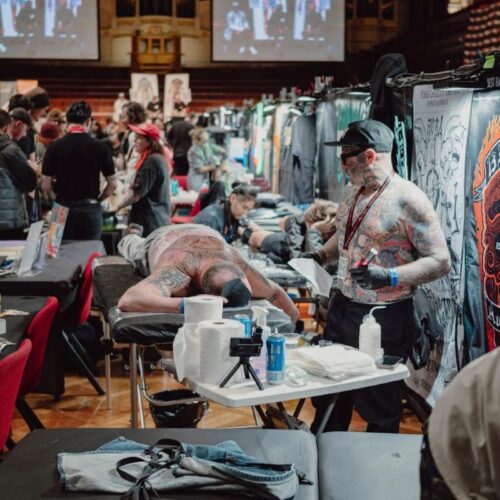
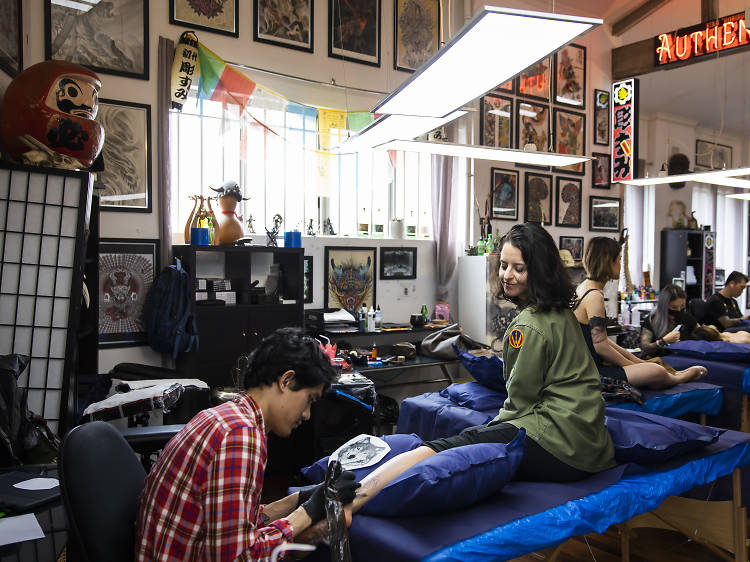
It varies. Some studios feel like calm clinics with quiet playlists. Others feel social, with artists chatting across stations. Both can still be professional.
Clients can expect some noise, machine buzz, and occasional laughter. They should not expect chaos, drunkenness, or anyone pressuring them.
Most Sydney tattoo artists keep boundaries decent. If the vibe feels unsafe or disrespectful, clients can leave. That is allowed.
What happens right after the tattoo is finished?
The artist will clean the tattoo, take photos (usually), and apply a bandage or wrap. They’ll then explain aftercare, sometimes verbally and sometimes as a printed sheet.
Clients should listen closely, even if they’re tired. Aftercare is where tattoos are won or lost.
Before leaving, they should double check the next steps with Sydney tattoo artists. Things like when to remove the wrap and what to apply matter.
What aftercare will they be told to follow?
Most will be told to wash hands, gently clean the tattoo with lukewarm water and mild soap, then pat dry. After that, apply a thin layer of recommended aftercare ointment.
They should avoid soaking, swimming, and direct sun while healing. This includes beaches, pools, spas, and long baths. Australia makes this hard, but it matters.
If Sydney tattoo artists recommend second skin, they’ll explain how long it stays on and what to do if it lifts.
What should they wear home, and what should they avoid doing that night?
They should wear loose clothing over the tattoo, or keep it uncovered if advised. Anything tight will rub, trap sweat, and annoy fresh skin.
They should avoid gym sessions, heavy sweating, and alcohol on the first night. They should also avoid letting pets sleep on the fresh tattoo. Cute, but no.
They should plan for a simple evening. Most Sydney tattoo artists will tell them the same thing; rest helps healing.
When should they contact the studio after the appointment?
They should contact the studio if they notice excessive redness spreading, heat, pus, fever, or severe swelling. Mild redness and soreness are normal. Worrying symptoms are different.
They should also contact the studio if second skin leaks badly or the tattoo gets knocked, scraped, or contaminated.
Reputable Sydney tattoo artists would rather answer a “maybe silly” question than have someone quietly panic for three days.
How should they plan for follow up sessions or touch ups?
They should expect that some styles and placements might need a touch up. Fine line, finger tattoos, and areas with lots of friction can fade faster, even with perfect care.
If it’s a multi session piece, the artist will usually talk about timing, typically allowing several weeks for proper healing before more work.
Most Sydney tattoo artists will document the ink, colours, and approach so the next session stays consistent.
What is the biggest mistake people make on the day?
They under eat, under sleep, and over talk themselves into stress. Then they arrive tense, and everything feels louder and sharper.
The simplest win is preparation. Eat, hydrate, wear the right clothes, arrive on time, and communicate clearly.
And trust the process a bit. The best Sydney tattoo artists are not trying to rush anyone through. They’re trying to get it right, and that takes a steady day.
More to Read : Bondi Tattoo: Aftercare and What Happens Next
FAQs (Frequently Asked Questions)
What should I do before leaving home for my Sydney tattoo appointment?
Before your appointment, ensure you eat a proper meal and stay hydrated, even if nerves affect your appetite. Shower, wear clean loose clothing suitable for the tattoo area, avoid alcohol the night before and on the day, and refrain from blood-thinning medications unless advised by a doctor.
What items are essential to bring to my tattoo session with Sydney tattoo artists?
Bring photo ID (as some studios require it), your payment method, headphones if you want to zone out, a charger, a small snack like a muesli bar or banana for longer sessions, and any reference images saved offline due to possible patchy reception in Sydney studios.
What can I expect when I arrive at a Sydney tattoo studio?
Upon arrival, you’ll check in at the front desk, confirm your details, complete a consent form, and discuss allergies or medical conditions. There might be a short wait if previous sessions run long or stencil adjustments are needed; this is normal and part of the process.
How do Sydney tattoo artists handle design review and stencil placement on the day?
Artists will review the final design with you before starting, discussing placement and size. They apply the stencil and check its positioning from multiple angles—asking you to move slightly to ensure it looks right when your body moves. Reapplying the stencil multiple times is common to get it perfect.
What hygiene and safety measures do professional Sydney tattoo studios follow?
Expect gloves, wrapped machines, single-use needles, disinfected surfaces, and sealed ink caps. Needles should be opened in front of you or prepared sterilely. Studios compliant with AHPRA and local council regulations take infection control seriously and will explain procedures if asked.
How painful is getting a tattoo in Sydney, and can I take breaks during the session?
Pain varies by placement, session length, stress levels, and other factors; some areas sting sharply while others feel manageable. Experienced artists pace sessions and check in regularly. Breaks are allowed—clients can request them or artists may suggest them—but keeping breaks short helps with skin irritation and restarting comfortably.