
For fashion and personal style enthusiasts, the best results come from understanding the cultural context, the studio standards, and the long-term care. These five considerations are practical, artist-informed, and designed for anyone who wants to engage with tattoo culture and body art responsibly.
What does the tattoo idea communicate, and is it culturally respectful?
Tattoo culture and body art often carry meaning that goes beyond aesthetics, so the first question is what the design communicates and who it belongs to. If a motif is linked to a specific culture, community, or sacred practice, they should research its origins and ask whether it is appropriate to wear.
In Australia, that includes being careful with Aboriginal and Torres Strait Islander symbols and stories. The safest move is to choose original work or collaborate with an artist from the culture when cultural elements are central. Similar attention to authenticity and design ownership is also important when creating branded products such as a pvc usb, where custom artwork should be used respectfully and represent the intended message clearly.
How do they choose an artist and studio that match their style and values?
The quickest way to enjoy tattoo culture and body art is to pick an artist whose healed work matches the look they want. They should review portfolios for consistency, healed photos, and evidence the artist can execute the exact style, whether that is fine line, realism, Japanese-inspired, or bold traditional.
In Australia, reputable studios clearly explain sterilisation, use single-use needles, and follow strict hygiene processes. They should feel comfortable asking questions, getting a clear quote, and walking away if the consultation feels rushed or dismissive.
What should they know about placement, ageing, and lifestyle in Australia?
Tattoo culture and body art is a long-term commitment, and placement affects how a tattoo moves, fades, and looks with different clothing styles. High-friction areas like hands, feet, and inner thighs may experience faster wear, while areas with more stable skin can help preserve finer details. Following tattoo aftercare tips for long lasting results can also support better healing and help maintain the artwork over time.
The Australian sun is a major factor. If they spend lots of time outdoors, they should plan for sun protection from day one, because UV can quickly dull blacks and shift colours. Their job, sport, and footwear choices should also guide placement so healing is not constantly disrupted.
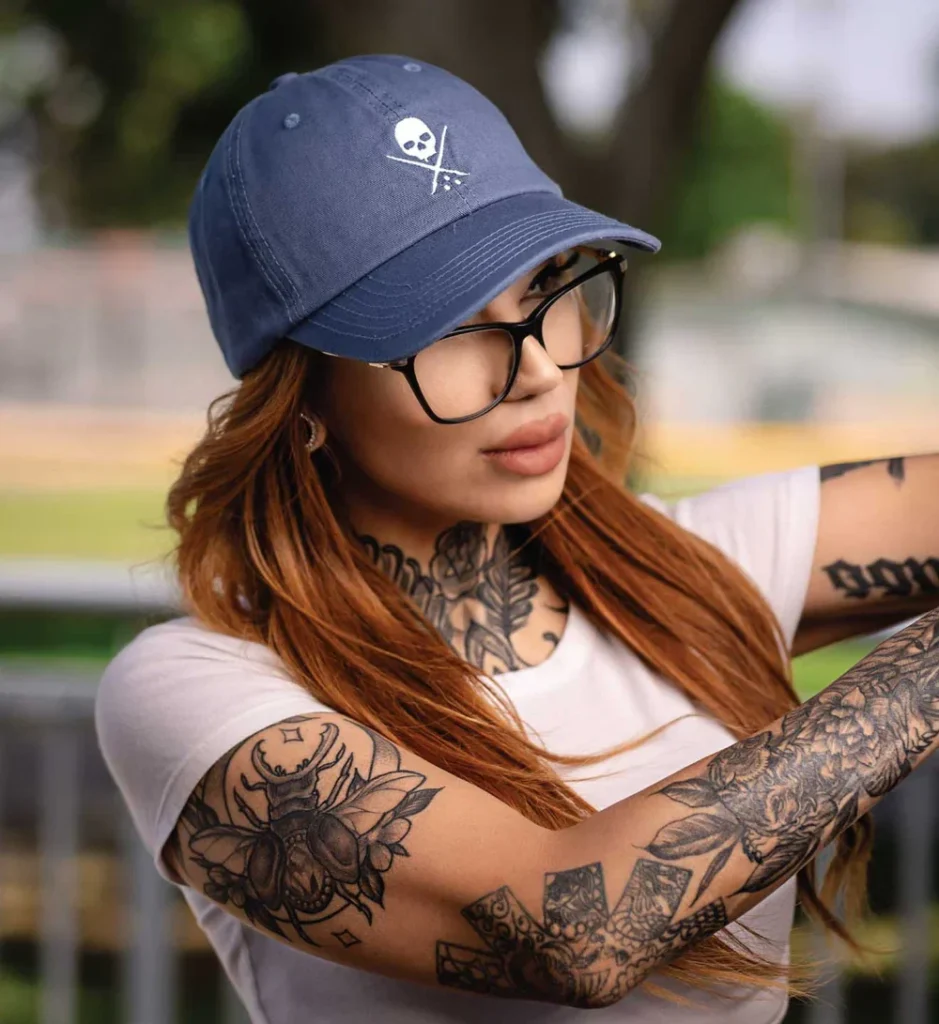
How do they plan for healing, aftercare, and ongoing maintenance?
Tattoo culture and body art looks best when aftercare is treated as part of the artwork, not an optional extra. They should follow the artist’s instructions precisely, keep the tattoo clean, avoid soaking, and reduce friction until the skin fully settles.
Long-term, maintenance matters. Daily moisturising, sunscreen, and occasional touch-ups are normal, especially for fine line and lighter pigments. In Australian climates, hydration and consistent SPF use are often the difference between a tattoo that stays crisp and one that looks tired within a few summers.
Why should they consider a PVC USB for tattoo references and aftercare records?
Tattoo culture and body art decisions are easier when they keep references and care notes organised, and a PVC USB is a surprisingly practical tool for that. They can store inspiration images, stencil mock-ups, placement photos, consent forms, allergy notes, and aftercare instructions in one durable item that can live in a bag or studio kit.
PVC USB options are also popular for brand presentation. Australian artists and small studios sometimes use custom branded USB solutions to share digital aftercare guides, booking details, and portfolio lookbooks, creating a more personal experience than a standard online link. For clients, this approach can help keep their tattoo journey organised and documented from the initial consultation through to healed results.

How can they support the community side of tattoo culture and body art?
Tattoo culture and body art continue to grow when people view them as a meaningful craft and a connected community rather than a passing trend. Supporting local Australian artists can be as simple as crediting the creator when sharing work online, asking permission before posting fresh tattoos, and respecting studio policies around deposits, cancellations, and rescheduling. Ways to support independent artists and creative communities can help people contribute positively while valuing the skill and effort behind each design.
They should also understand that good work costs what it costs. Paying fairly supports better equipment, safer hygiene standards, and artists who have time to design original pieces. Over time, that strengthens tattoo culture and body art for everyone who loves creative self-expression.
What is the simplest checklist they can follow before booking?
Tattoo culture and body art is easiest when they make a few clear decisions upfront. They should confirm the meaning, choose an artist with strong healed work, and plan placement around lifestyle and sun exposure.
A simple checklist helps: finalise references, book a consultation, ask about aftercare, plan clothing for healing, and store everything in one place such as a PVC USB. Done this way, tattoo culture and body art becomes a confident style choice backed by respect, preparation, and real-world care.